No need to explain logistics to us. Let's tackle what's slowing it down
We understand both the technology and the operations it has to support. We build solutions for road and rail transportation, warehouses and intermodal terminals – from digitalizing manual processes and integrating systems to software built specifically around your operations.
Logistics changes every day. Your software should keep up
A different train consist. A delay. A new order. Data in several systems, plus an Excel file holding the whole process together. That's exactly where errors, delays and manual work creep in, because the tools can't keep pace with operations. We look for places where technology can remove unnecessary steps, connect information and make day-to-day decisions easier.

You plan in Excel
A spreadsheet works great until reality starts changing faster than its cells. The more people, vehicles, trains, shipments and changes you handle, the more room there is for errors and outdated data.

Data everywhere. Visibility nowhere
ERP, spreadsheets, emails and other systems each hold only part of the picture. So people look up, compare and retype data by hand.

People do work a system could do
Manual record-keeping, retyping data, checking availability or entering the same information over and over takes time from people who could be focusing on operations.

Your current system can't keep up with operations
The company has changed, but the software hasn't. So people create more spreadsheets and their own workarounds to get past its limitations.
Software that keeps pace with what's happening in your operations
We don't sell a one-size-fits-all logistics system. First, we understand the specific problem and how your operations work. Sometimes it makes sense to digitalize a manual process, sometimes to integrate existing systems, and sometimes to build a new solution from the ground up.

Operations management and planning
Replacing spreadsheets and manual planning with a system that works with real-time data and helps you respond faster to operational changes.

Digital record-keeping
Information that lives on paper, in spreadsheets or in several different tools today is moved into an environment where it's searchable, up to date and ready to work with.

System and data integration
We connect information from siloed systems so it's available in one place and people don't have to retype or cross-check it by hand.

Software built around your operations
If a TMS, WMS or other off-the-shelf product can't accommodate the way you operate, we build software around your processes – not your processes around the software.
When you understand the industry, you get to the solution faster
On a logistics project, writing quality code isn't enough. Developers need to understand why a process exists, what happens when there's an exception and how people will use the system when operations don't follow the ideal scenario.
It's this combination of technology expertise and logistics experience that lets us grasp the problem and reach a solution faster. We don't have to learn the basics of the industry first. We can focus on what's truly specific to your operations.

No need to explain logistics from scratch
We have experience with road and rail transportation, warehousing and intermodal terminals. That's why we understand your operations faster and can go straight to what makes them specific.

We don't just blindly follow the spec
If we see a better way, we'll say so. We think about what the solution should actually achieve, and when it makes more sense to change something, we'll propose it before we start building.

We show working parts of the solution as we go
Instead of months of development behind closed doors, we build and validate them with you throughout the project. That way you know we're heading in the right direction, and any changes are handled in time.

We adapt when the situation changes
Logistics isn't static, and development shouldn't be either. When priorities or requirements change, we respond without endless rounds of approvals. That lets us keep adjusting direction to what the project and your operations really need.
Proven results
The best argument? Results that work
See projects where our work delivered measurable results.

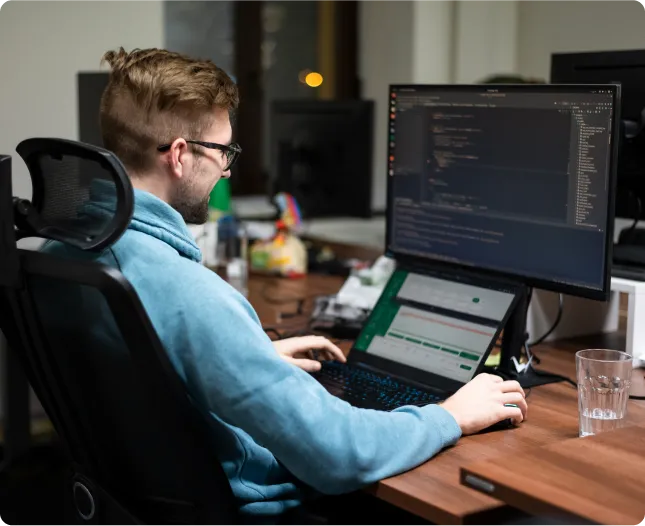


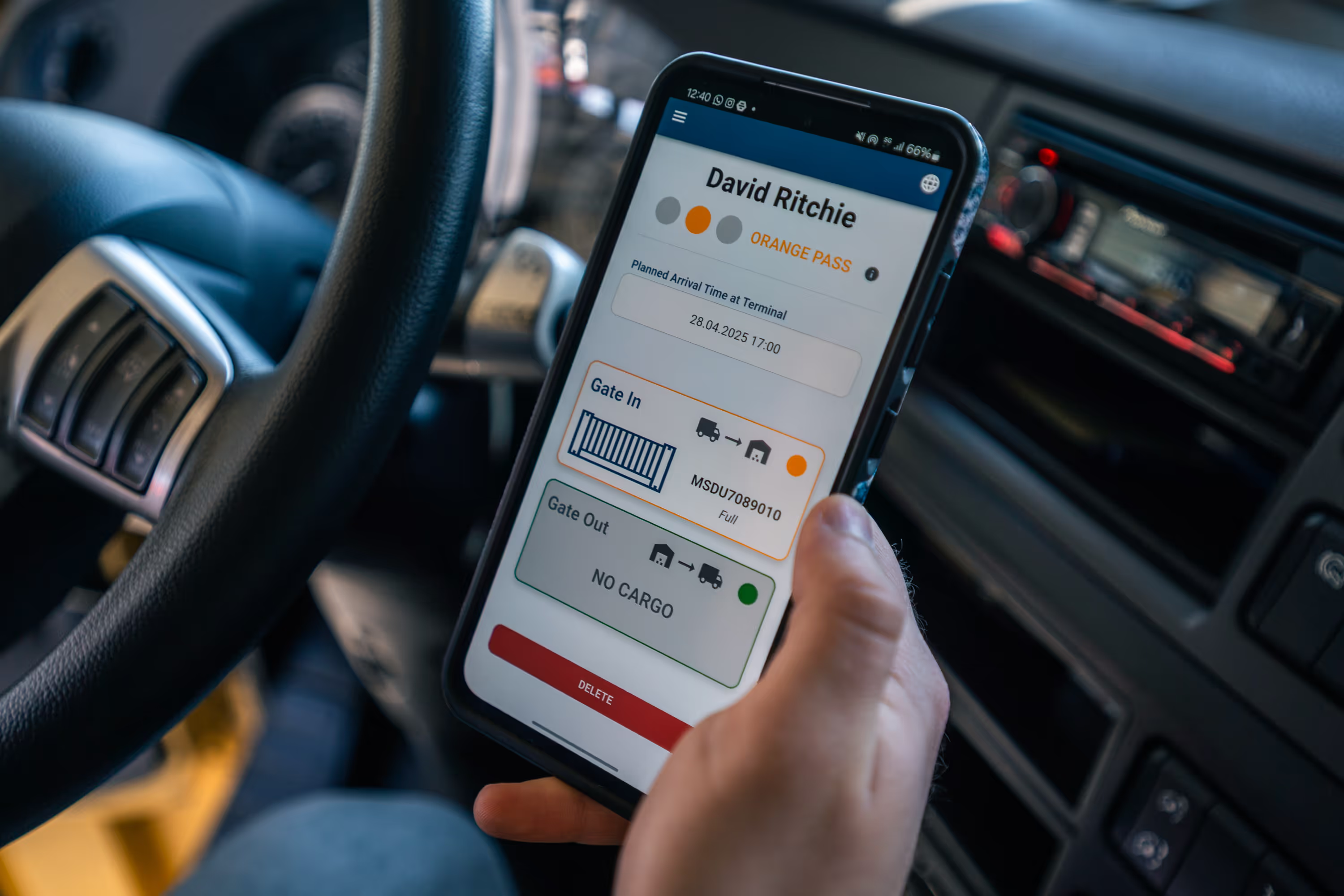

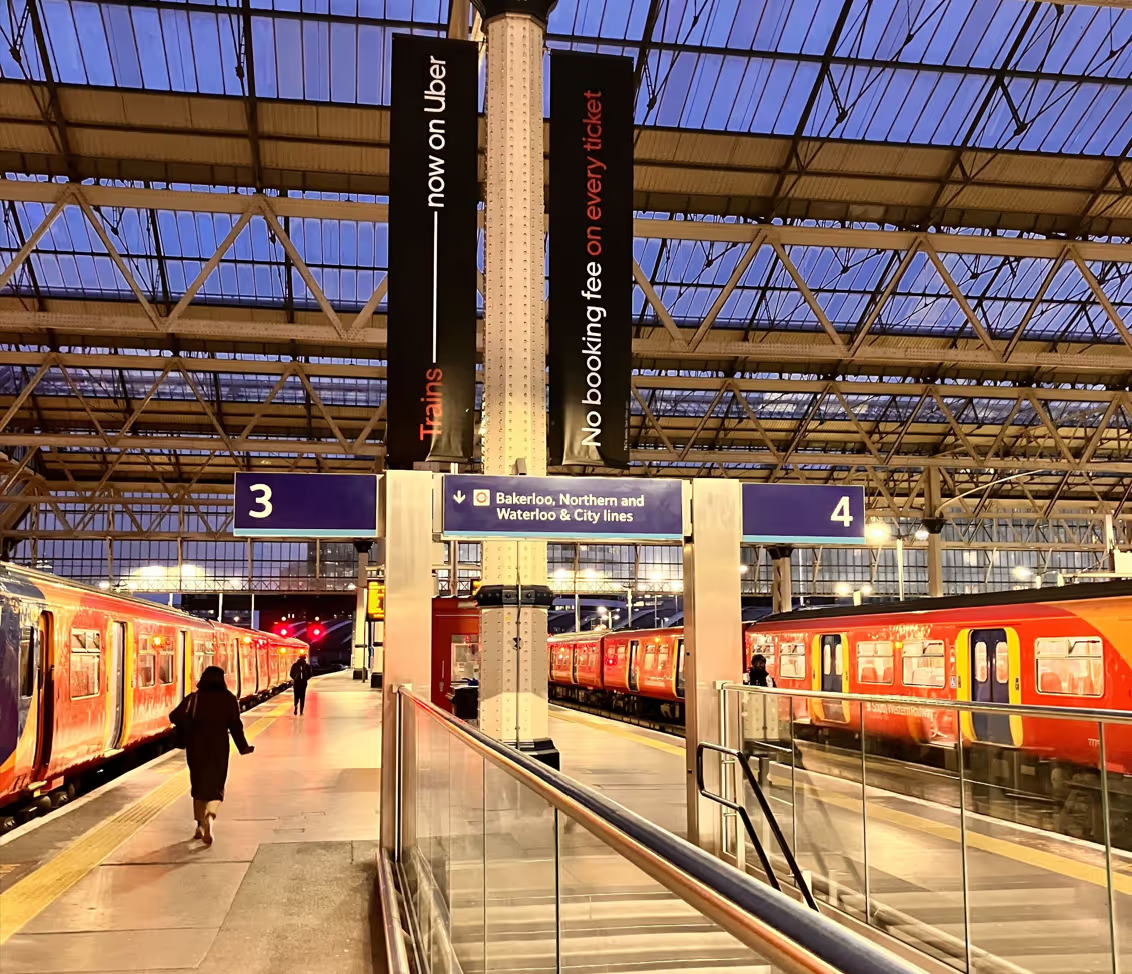


We don't know logistics only from client briefs. We built our own system for it
Yardo is a terminal operating system for intermodal terminals. It handles container records, terminal operations management and customs processes. It was built for an environment where software has to work not just in a demo, but above all in day-to-day operations.
We've been through the entire journey ourselves – from understanding the operational problem through design and development to running our own logistics product long term.
First, we need to see the problem through your eyes
We don't expect you to come with a finished technical specification. To start, it's more important to understand how your process works today, where the problems arise and what should change. We then work out the technical solution together.

01 / We understand your operations
We walk through your current process, tools and data, as well as the points where the biggest problems occur. That tells us what's worth solving and where technology can add the most value.

02 / We find the fastest working path
Together we determine what has the biggest impact and what makes sense to tackle first. We don't try to solve everything at once – we look for the quickest way to solve what matters most and lay a foundation we can build on.

03 / We start building
We show you the first working parts of the solution as early as possible. You can see them, try them out and give feedback while development is still underway.

04 / We validate in live operations
What works on a diagram may not work for a dispatcher, a warehouse worker or someone on the terminal floor. That's why we continuously validate the solution with the people who will actually use it. Their feedback helps us catch problems before they turn into costly changes.

05 / We deploy and keep evolving
Development doesn't end when the application goes live. We deploy the solution to production and continue to develop and maintain it as needed. From analysis and development to deployment and ongoing support, you have a single partner.
Your operations don't have to adapt to the software
Every logistics company works a little differently. If a standard product can't accommodate a process that's critical to your business, you don't have to change that process for the sake of the software.
We'll design and develop a system around how your operations actually work. Without unnecessary features and complexity you don't need. And you can see, try and validate the first working parts in practice as we go.
What you need to know before our first meeting
No. At the start, we mainly need to understand the problem, your current process and the outcome you want to achieve. We'll work out the specific solution design together as we go.
No. We have experience with road and rail transportation, warehousing and intermodal terminals. Yardo is our own product designed specifically for intermodal terminals. But we tailor custom development to your specific operations and the problem you need to solve.
Not necessarily. The goal isn't to throw everything away and start over. First, we look at what your current systems can do, where their limits are and what you need to solve. Based on that, we can propose modernizing them, integrating them with other systems or building a new solution where it makes sense.
For well-scoped projects, we can show the first working output within a few weeks. That's not a universal timeline, though – it depends on the project's scope, complexity and nature. The goal is to reach the first working part as soon as possible and build on it from there.
No. We have experience with international clients and work with customers outside the Czech Republic. Location isn't a barrier for us – what matters is understanding your problem well and finding a solution that works, together.
What in your operations is costing you unnecessary time, money or headaches today?
You don't need to know what system you need or how to build it. Tell us how your process works today and where it slows you down the most. We'll look at the problem and propose an approach that makes sense for your operations.

We don't know logistics from textbooks. We know it from real-world operations
We build custom software and provide development teams. That's where we're strongest – we can deliver tailor-made solutions as well as experienced, well-coordinated engineers who ramp up quickly and take ownership of the outcome.