Your terminal under control. No spreadsheets, no unnecessary manual work
Yardo is a terminal operating system for intermodal terminals. It keeps data on containers, yard movements and related processes in one place and helps people run operations without spreadsheets, paperwork or constant retyping.
It was born from the real needs of terminals. We've been through the whole journey ourselves – from the first problem through development to day-to-day operations – so we know what a terminal system has to handle to work not just on screen, but above all on the ground.

Containers move faster than information
A terminal is a live operation. Containers arrive and depart, change positions, and people need to know what's happening right now. When information is split across spreadsheets, paper and several other tools, every change means more manual work and more room for error.
Yardo brings key information together in one place and lets you work with the current state of operations. Instead of tracking down what was true a moment ago, people see what's happening right now.
You may be dealing with:

Manual record-keeping
Information is recorded, retyped and checked in several places. So instead of running operations, people spend time on admin and on checking whether the data is correct.

Fragmented data
Some information is in a system, some in a spreadsheet and some in specific people's heads. When you need to know the current status, you first have to piece the information together.

No real-time visibility
Finding out what's happening right now means assembling information from several places first. By the time you get an answer, you've lost time looking up and verifying data.

Unnecessary operating costs
People's time disappears into tasks a system could take over. Manual record-keeping, retyping data and checking information put an unnecessary burden on operations.
One place for operations instead of several tools
Yardo was built specifically for the needs of intermodal terminals. It helps you keep track of containers, manage their movements in the yard and handle the processes that keep the terminal running every day.
It's not a generic system trying to adapt to logistics. It's built for the environment where it's actually used – for real-world operations, their pace and their specific needs.
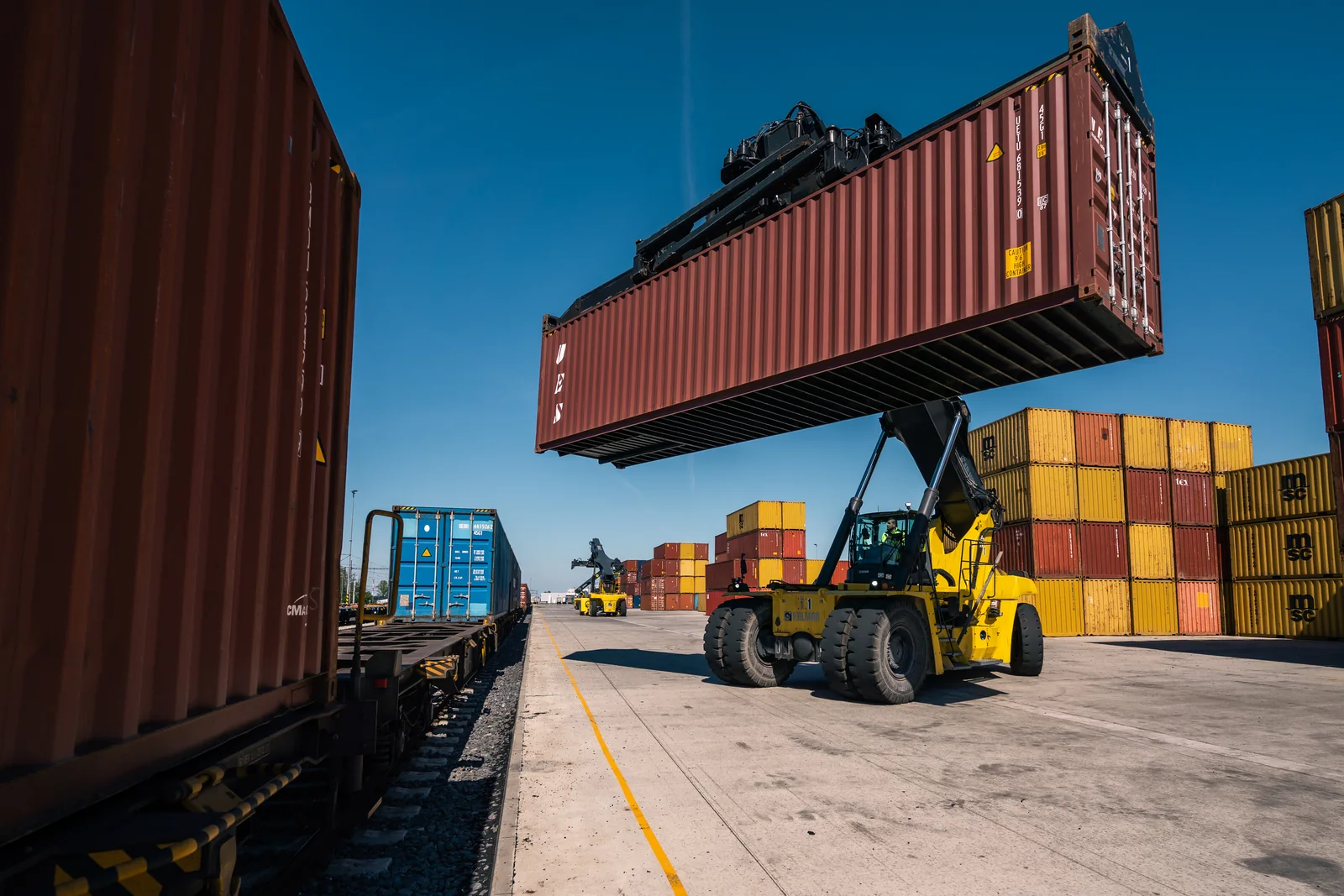
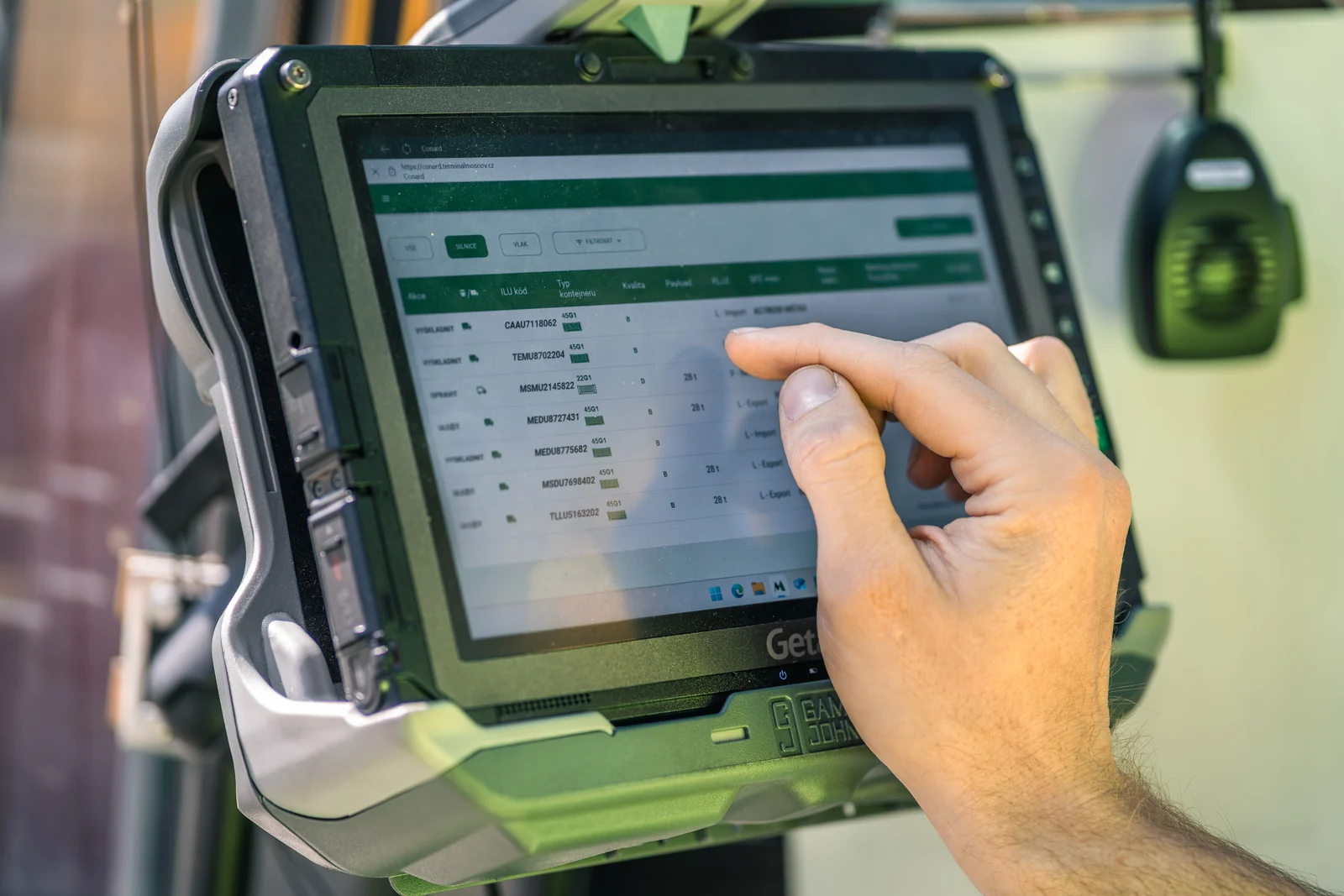
Day-to-day operations in a single system

Container inventory
Keep container information in one place, available to the people who need it right now. Status, location and other key details – no more hunting for them in spreadsheets or several different tools.

Yard movements
Yardo helps you track where containers are right now, what's happening to them and how the situation in the yard is changing. That gives people better visibility into the current state of operations and lets them react to changes faster.

Customs processes
Customs paperwork without another tool. Customs clearance processes are built into Yardo.

Data in one place
Less retyping and less time spent searching for information across different sources.
A system that accelerates your operations. No compromises
Yardo is designed so people have the information they need for their daily work in one place. No unnecessary switching between tools or hunting for data.
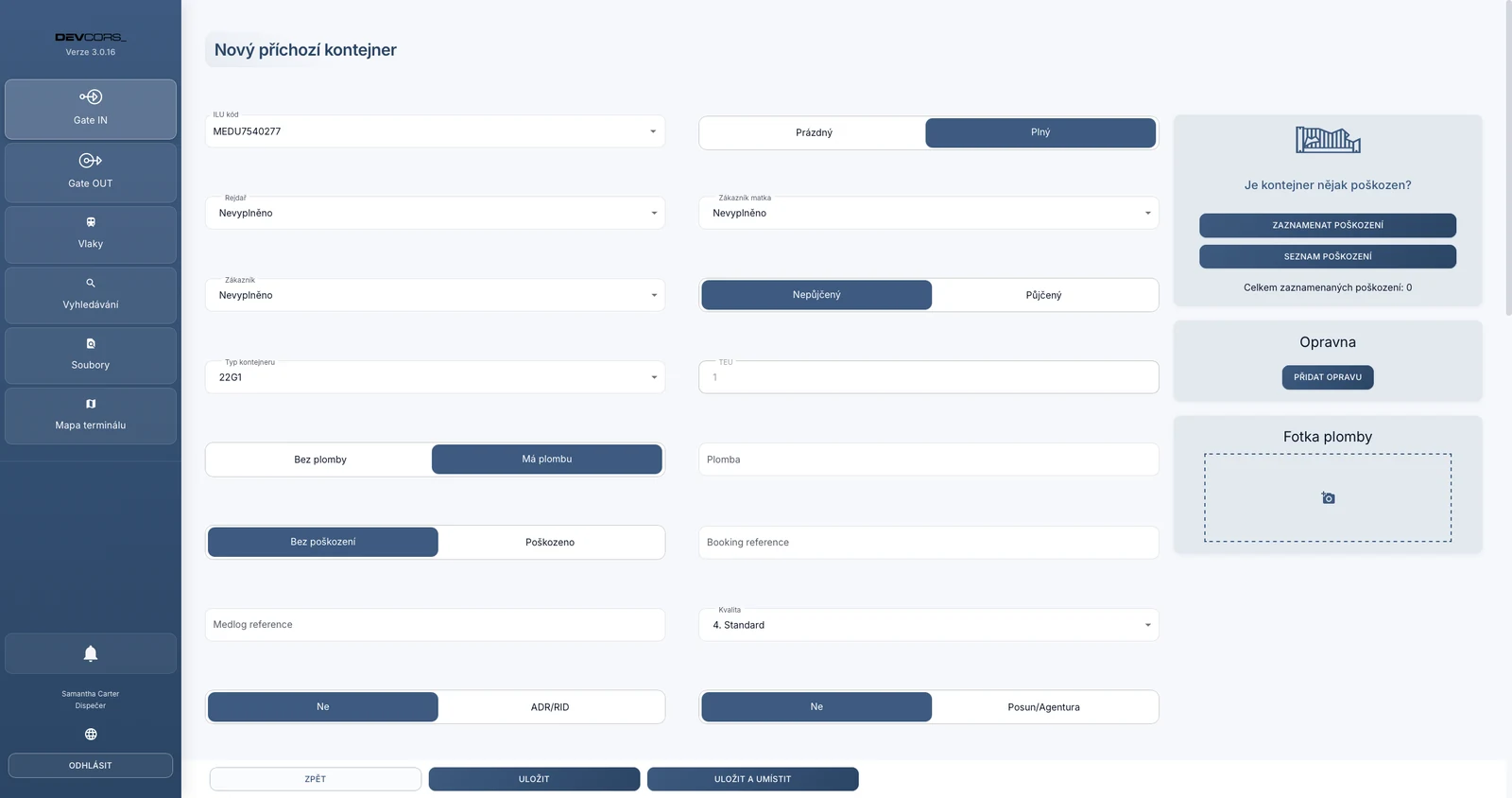
Recording an incoming container in Yardo
The Gate In form captures all key details when a container is received, including its type, customer, seal, condition, damage and yard location.
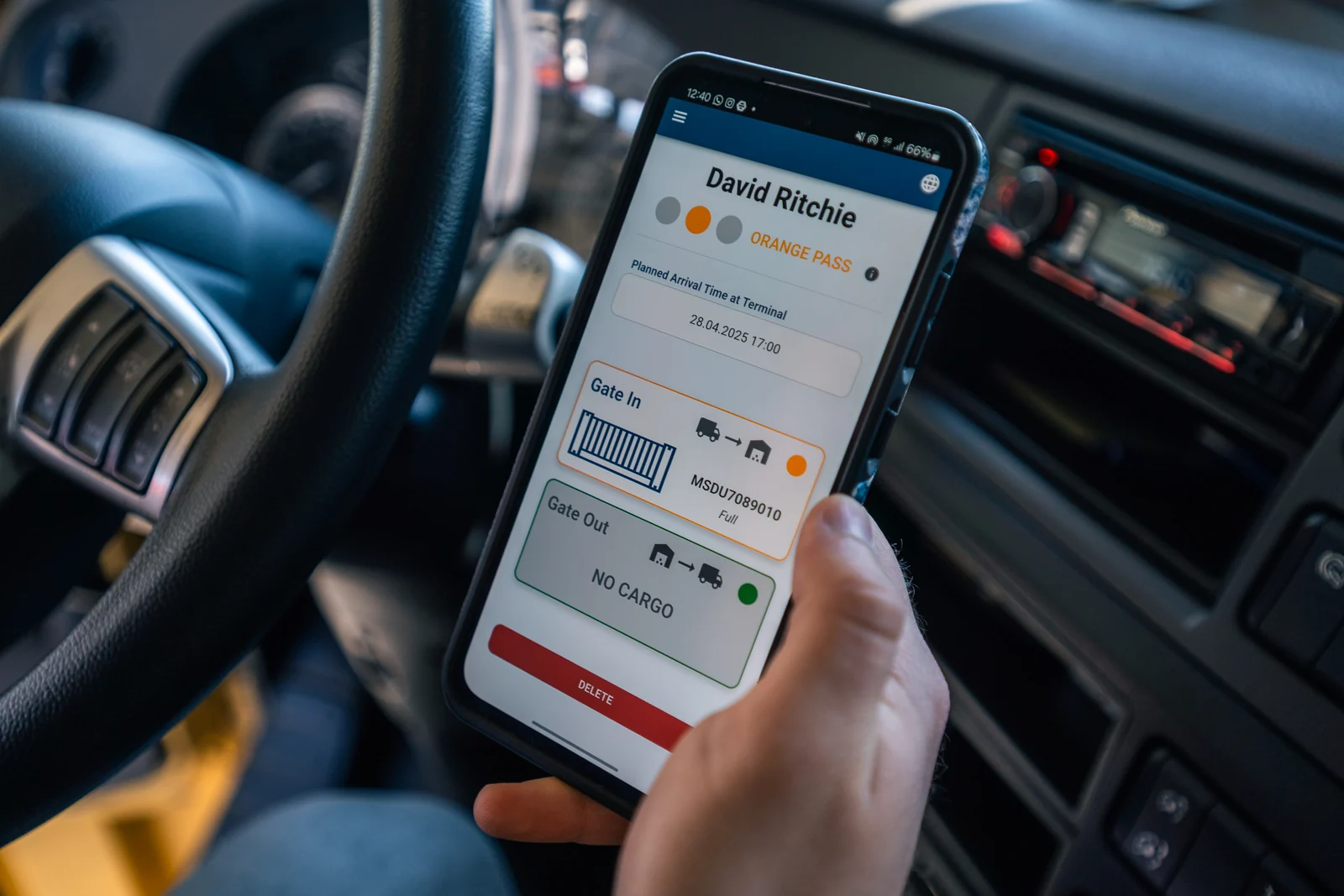
Yardo mobile app
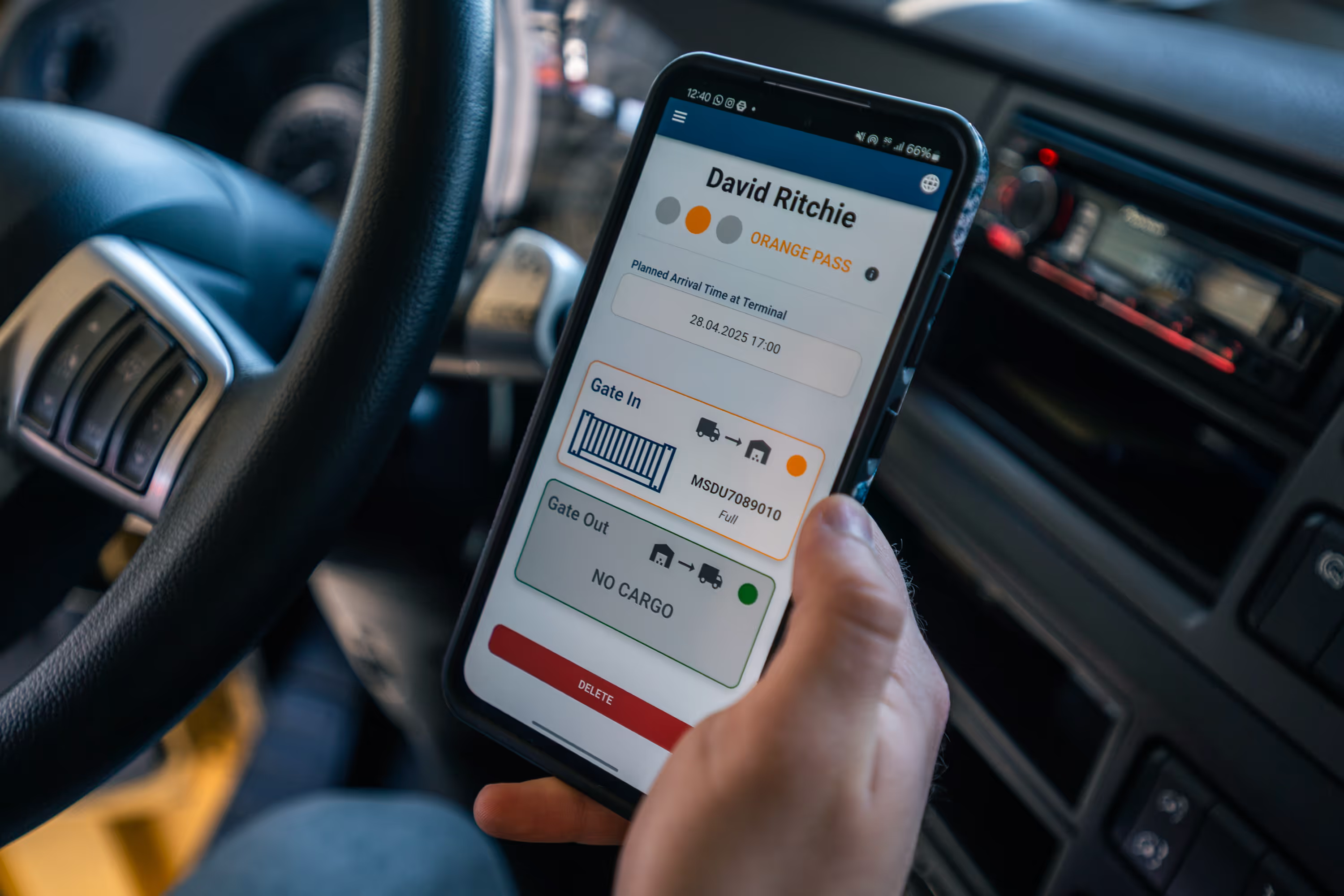
The Yardo app gives an overview of scheduled arrivals and makes it easy to track Gate In and Gate Out processes during terminal handling.
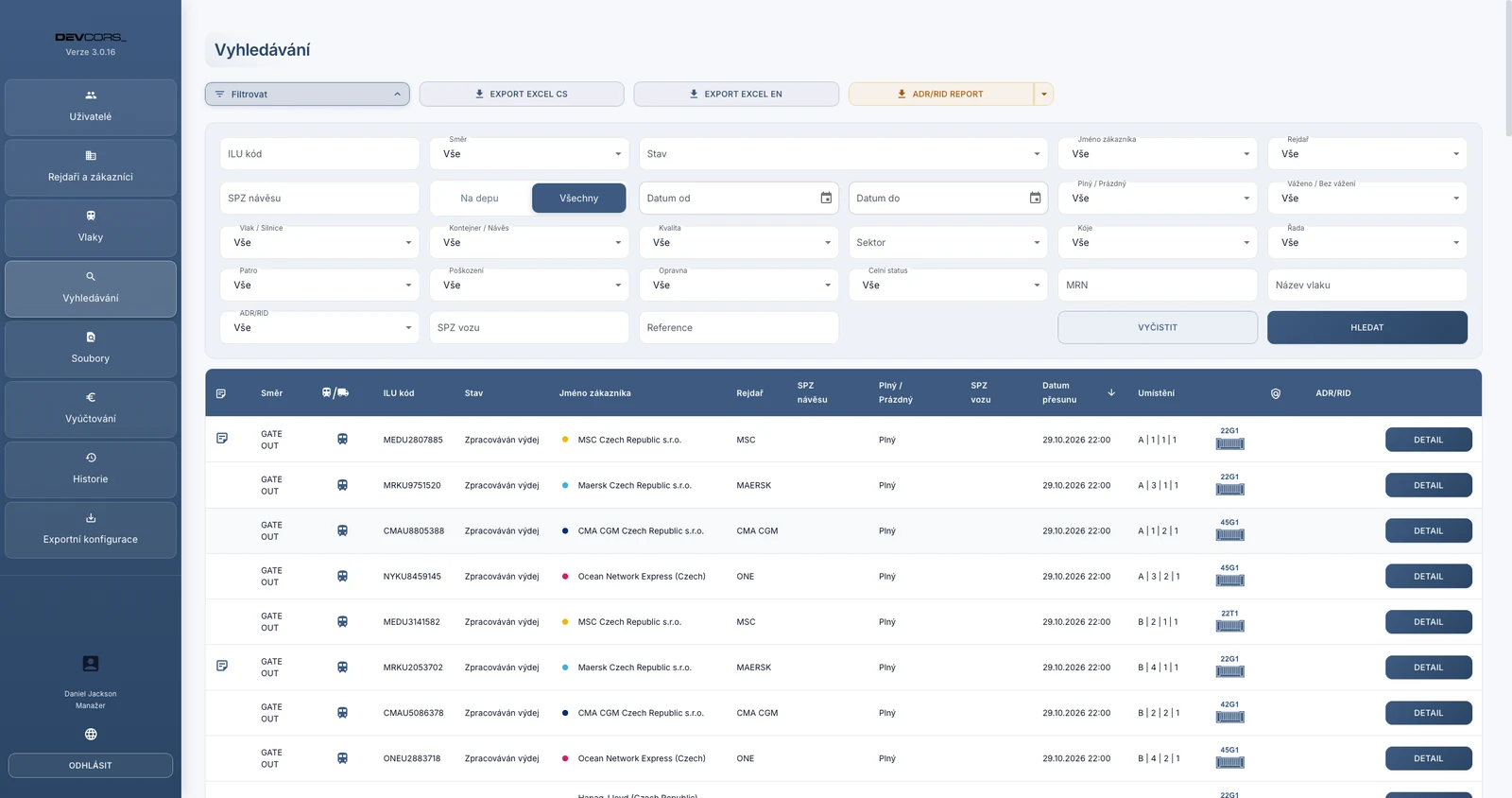
Container overview and search in Yardo
Yardo lets you quickly search and filter containers by status, location, customer and other operational data.
Yardo wasn't designed at a desk
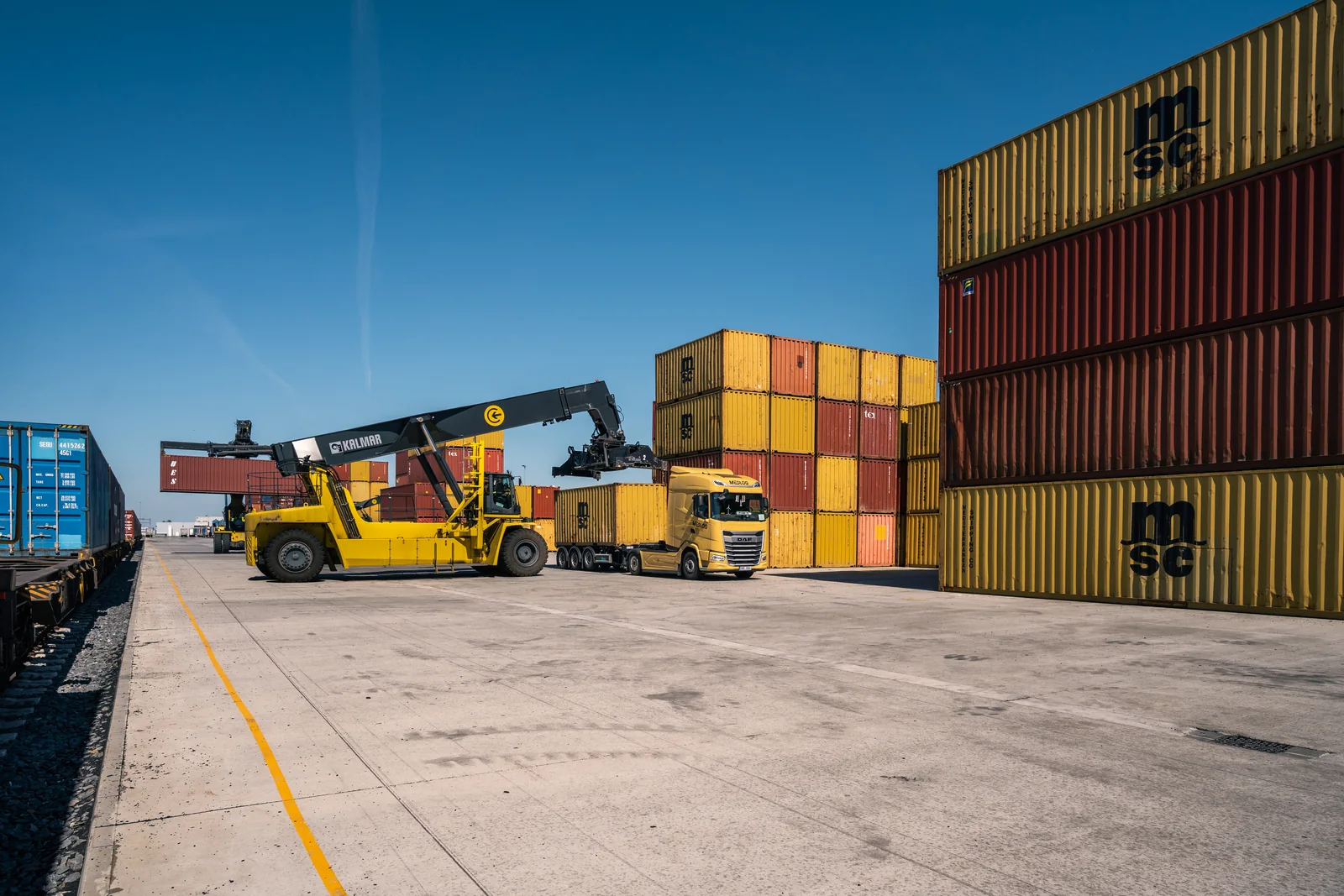
We know road and rail transportation, warehousing and intermodal terminals. That's why we don't just focus on individual features during development. We think about how they fit into real-world operations, what makes people's work easier and how they'll use them every day.
Modern technology, ready for future growth
Yardo is a cloud-based solution built on Java Spring Boot and React. Its modern technology foundation allows the system to evolve continuously, add new features and adapt as the terminal's needs change over time.

Backend
The application backend runs on Java Spring Boot. This proven, stable technology gave us a reliable foundation that meets the client's technical requirements and is ready for further development.

Frontend
We built the user interface in React. Thanks to modern components, the application is clear, attractive and easy to use on both desktop and mobile.

Infrastructure
The entire solution runs in a cloud environment that makes the application accessible from any device and provides a flexible foundation for operating, managing and scaling it in the future.
From the first conversation to Yardo in your operations
First, we need to understand how your terminal works, where problems arise and what you need. We continuously adapt Yardo to how your operations evolve. Our goal isn't just to launch the system, but to make sure that in the long run it helps you run your terminal and makes work easier for the people who use it every day.

01 / We get to know your terminal
We'll go through how your operations, processes and tools work today. We'll find out where unnecessary work arises and what Yardo really needs to solve.

02 / We design the rollout
Based on what we've seen at your terminal, we'll prepare a specific rollout plan. We'll decide which processes Yardo will cover first, what data needs to be migrated and how to involve the people who will work with the system every day.

03 / We set up Yardo
We always tailor Yardo to the needs of each client. We set up modules, user roles, data views and workflows so the system reflects how your company actually works. You don't have to adapt your processes to the software – the software adapts to you.

04 / We go live
Launch includes training your staff so they feel confident in the system from day one. And we don't leave you on your own after launch: we provide support and ongoing system maintenance so Yardo runs reliably and can keep evolving along with your business.
Proven results
The best argument? Results that work
See projects where our work delivered measurable results.







What you need to know before your first demo
Yardo is a terminal operating system for intermodal terminals and their day-to-day operations. It helps with container inventory, visibility into yard movements and the other processes a terminal handles every day.
Yes. Yardo is a cloud-based solution, so you don't need to run your own infrastructure for it. Users access the system over the internet.
Yes. Yardo has been built from the start as an open, tailor-made system, so connecting it to your existing systems is possible. Yardo now also offers an API that lets you connect it to your ERP, WMS, accounting or other internal system. Data then flows between systems automatically, with no manual retyping.
Integrations with the shipping lines Maersk, MSC, Hapag-Lloyd, Evergreen and Euromar are already up and running. The system can also export data to Excel, PDF and XML.
We always price Yardo individually, based on the needs of each client. Yardo is made up of a range of modules, such as container and trailer tracking, Gate In/Out automation, train management, customs control, and apps for drivers and operators. We then tailor the whole system to how your company actually works.
That means you only pay for what you really use. We'll prepare an exact quote after an initial analysis of your processes and requirements.
Implementation takes just a few days. If you don't need any changes to the existing solution, your version of Yardo can be ready within a week.
For larger customizations or integrations with your systems, the timeline depends on the scope of the changes. We'll give you an exact schedule after the initial analysis.
We're there for you at launch and will help train your staff so the switch to the new system goes smoothly.
See what Yardo could change at your terminal
Show us how you run operations today. We'll give you a Yardo demo and together look at where it can eliminate unnecessary manual work, make information clearer and simplify day-to-day operations.

How would Yardo work for you?
We build custom software and provide development teams. That's where we're strongest – we can deliver tailor-made solutions as well as experienced, well-coordinated engineers who ramp up quickly and take ownership of the outcome.